Treatment For OCD In Memphis
Welcome to Integrative Neuroscience, your premier choice for treatment for OCD in Memphis, TN. If you’re navigating the challenging landscape of OCD, you’ve arrived at a place where innovative solutions meet compassionate care.
Common symptoms of OCD include obsessions, which are repeated, unwanted, and intrusive thoughts, urges, or mental images that cause high anxiety or distress. These include:
- Fear of contamination: Worrying about germs, dirt, or sticky chemicals.
- Intense doubt: Doubting if a door is locked or if the stove is off.
- Need for order: Feeling extreme stress when objects are not neat, balanced, or symmetrical.
- Taboo thoughts: Having unwanted aggressive, violent, sexual, or religious thoughts that go against your values.
While traditional treatments like talk therapy and medication have provided relief for many, others find themselves seeking alternatives when these approaches fall short. TMS is a proven method of treatment, even for patients with treatment-resistant symptoms. Learn more by taking our 2-minute quiz or by setting up a free consultation appointment.



Why Choose Us
The features we offer to you.
Quick Treatment
Quality Standards
Free Consultation
No Prescription Medication
The Power of TMS Therapy
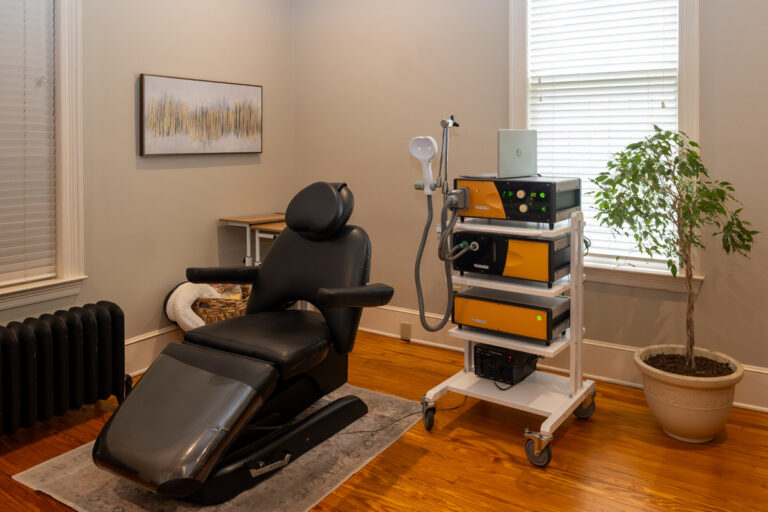
TMS is not just a treatment; it's a revolution in mental health care. By harnessing the power of magnetic pulses, TMS targets specific regions of the brain involved in mood regulation. Unlike medications that flood the entire body with chemicals, TMS offers precision and focus, zeroing in on the neural pathways that underlie depression. TMS isn't just about alleviating symptoms; it's about reshaping the brain's neural landscape. With each pulse, TMS stimulates neuronal activity and promotes the release of neurotransmitters like serotonin and dopamine, essential players in the symphony of mood regulation. Through this targeted intervention, TMS offers a path to recalibrating the brain's chemistry and restoring balance.
Personalized Paths to Healing
At Integrative Neuroscience, we don't just offer OCD care; we offer a partnership in healing. Our team of dedicated clinicians is committed to understanding your unique journey and crafting a treatment plan tailored to your needs. From the initial assessment to the final session, we walk alongside you, offering support, guidance, and unwavering compassion.
We recognize that OCD is as diverse as the individuals it affects. That’s why our approach to TMS therapy is anything but one-size-fits-all. Whether you’re considering TMS as a standalone therapy or in combination with other modalities, we’ll collaborate with you to design a personalized path to healing that honors your individuality and empowers your journey.
Is TMS Right for You?
If you've found yourself at a crossroads in your journey with depression, wondering if there's a path forward that offers both efficacy and empowerment, TMS may hold the answer. With its proven effectiveness and minimal side effects, TMS represents a beacon of hope for those seeking relief from depression.
We aim to be a support system for you or your loved one dealing with mental health conditions. Take the next step in your journey toward healing by setting up a free consultation or by taking our 2-minute quiz to learn more.
TMS for OCD: Frequently Asked Questions
How does TMS treat OCD?
OCD involves an overactive circuit in the brain that functions like a faulty alarm system, signaling that something is wrong when it is not. TMS targets that circuit directly, using magnetic pulses to calm the overactive activity that drives obsessive thoughts and the compulsions people perform to relieve them.
Is TMS for OCD the same as TMS for depression?
No. The treatment targets a different region of the brain, and the protocol and coil positioning differ from a depression course. The mapping session that determines where and how your treatment is delivered is specific to the condition being treated, which is one reason the two courses are not interchangeable.
Is TMS FDA-cleared for OCD?
Yes. TMS is FDA-cleared for the treatment of obsessive compulsive disorder, which is why it is covered by several insurance plans for patients who meet their criteria.
Does insurance cover TMS for OCD?
Several plans do, including Medicare, Cigna, Tricare, and VA Community Care. Coverage generally requires a documented OCD diagnosis from a psychiatrist or behavioral health provider, a documented trial of an evidence-based psychotherapy for OCD without adequate improvement, and two or more medications tried and failed. Patients must typically be 18 or older. We verify your specific benefits before treatment begins.
Should I continue therapy during TMS?
Yes. Exposure and response prevention remains the leading psychotherapy for OCD, and insurers generally require that you have tried it before approving TMS. Many patients find that TMS makes therapy more effective, because reducing the intensity of the intrusive thoughts makes the work of resisting compulsions more manageable.
How many sessions does OCD treatment take?
An OCD course generally runs longer than a depression course. Your exact schedule depends on your symptoms and your response, and Dr. Ly will outline the expected length at your consultation so you know what you are committing to before you begin.
What if I have both OCD and depression?
That is common, and it is worth raising at your consultation. The two conditions involve different brain targets, so the treatment plan needs to account for both. Which one is addressed first, and whether they can be treated in sequence, depends on your symptoms and on what your insurance will authorize.
Does TMS help with compulsions, or only the intrusive thoughts?
Both are part of the same circuit. By calming the overactive signaling that produces the obsessive thought, TMS can reduce the urge to perform the compulsion that follows it. Patients often describe the thoughts as still present but less insistent, and easier to leave unanswered.