A Revolutionary Way to Heal the Brain & Build Brain Fitness
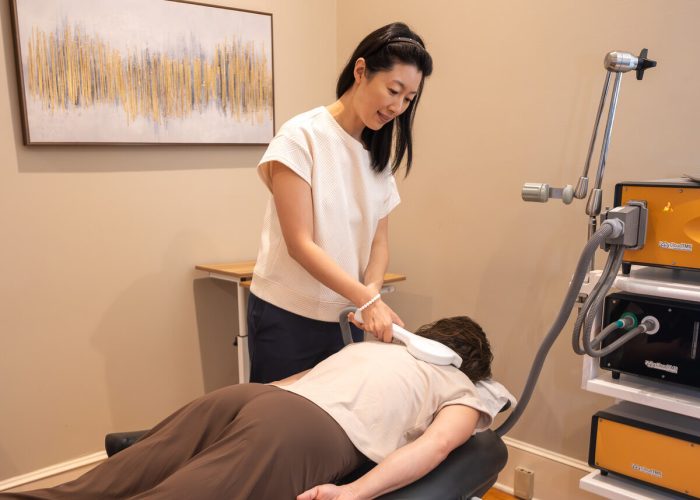
Transcranial Magnetic Stimulation (TMS) is a cutting-edge therapy that uses brief magnetic pulses to safely and effectively restore brain and nerve function. These pulses stimulate specific areas of the brain to treat:
• Memory Loss / Brain Fog
• Obsessive Compulsive Disorder
• Post-Concussion Syndrome
• Fibromyalgia
• Chronic pain
• Post Traumatic Stress Disorder
Treating the Root Cause of Symptoms, Not Just Masking Them.
TMS promotes neuroplasticity—the brain’s ability to reorganize and form new connections. This helps rebalance overactive or underactive brain regions linked to mood, memory, mental focus, learning, sleep, and pain perception.

TMS can help treat:
Depression
Anxiety
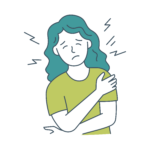
Memory Loss &
Brain Fog
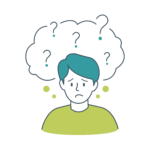
Obsessive Compulsive Disorder
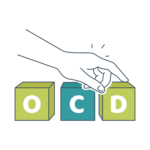
Post-Concussion Syndrome

Fibromyalgia
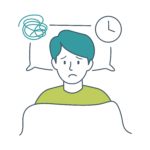
Chronic Pain
Post Traumatic Stress Disorder
How it Works
treatment areas, which wake up brain cells and help them build stronger connections to improve mood, focus, multi-tasking and memory. This builds “brain fitness” helping clear brain fog, boosting mood, and reducing stress.
A brain that is “in better shape” becomes more resilient and adaptive to change. As such, TMS can help slow down memory loss in older adults with mild cognitive issues or early dementia.
Insurance and Efficacy
- While standard TMS is FDA-approved for depression, OCD, migraines, and certain types of post-stroke pain, using it for general chronic pain or fibromyalgia is often considered “off-label”. Because of this, it is frequently classified as an experimental treatment, and insurance coverage is limited.
Why TMS?
- No Recovery Time
- Proven Relief
- Great Success Rates
- Proven Relief
- 9 out of 10 Successfully Respond to Treatment
About Us
Helen Ly, MD
Board-certified neurologist and founder of Integrative Neuroscience 

Express TMS for Rapid Relief:
For individuals seeking rapid relief from depression, we offer Express TMS, an accelerated protocol designed to deliver faster results. With Express TMS, patients may experience significant mood improvement in as little as 10 days, compared to traditional TMS protocols that typically span weeks of treatment. This accelerated approach allows patients to achieve remission more quickly and resume their daily activities with improved emotional well-being.
Benefits of Express TMS:
Quick Treatment
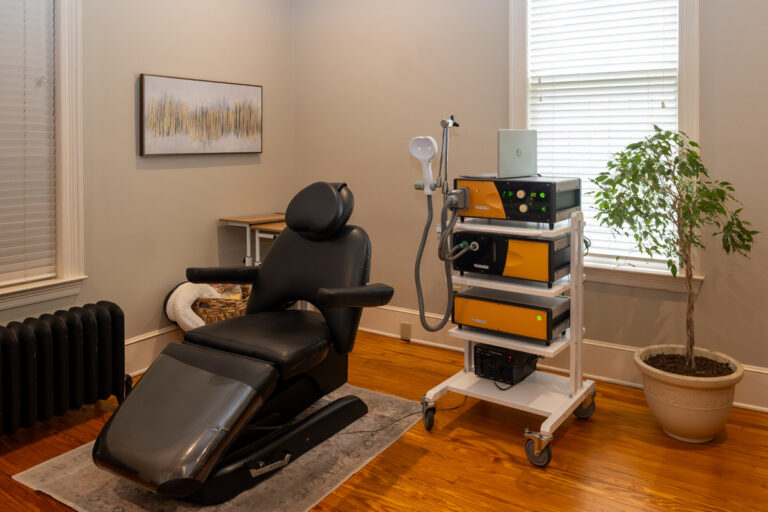
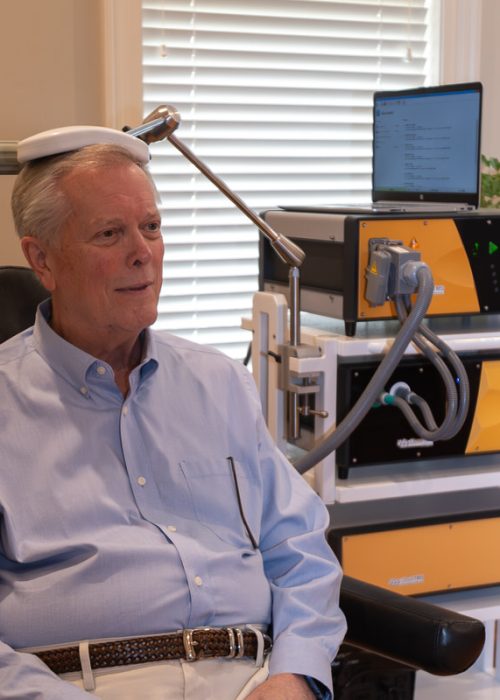
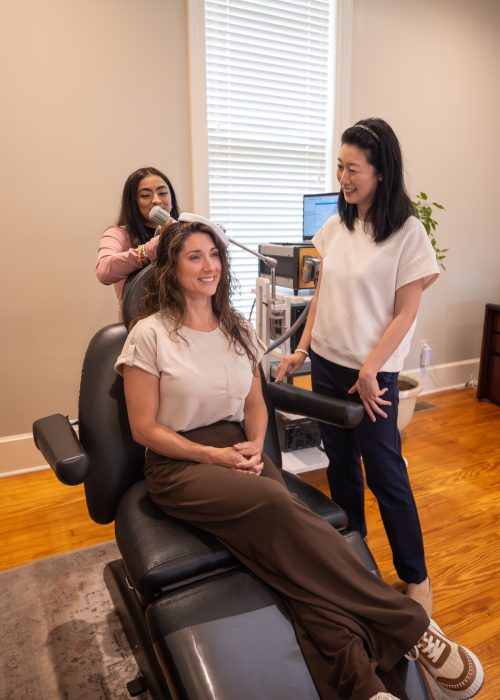
Each Express TMS session lasts only 15-20 minutes, allowing patients to fit treatment into their busy schedules. While being administered, a magnetic coil will administer magnetic pulses to a specific target in the brain. Patients do not experience side effects that would prevent them from returning to work or other activities afterward.
Minimal Disruption:
Unlike traditional TMS, which requires daily sessions over several weeks, Express TMS offers rapid relief with fewer overall treatment sessions included in a short period of time.
Tailored Treatment Plans:
Our board-certified neurologists customize treatment plans to address each patient's specific goals, ensuring effective outcomes in just two weeks of treatment.
No Prescription Medications
TMS allows you to get treatment that is entirely drug-free. TMS is local and targets specific areas of the brain to alleviate symptoms even in treatment-resistant depression.
Is TMS Right for You?
If you're struggling with depression, anxiety, or related mood disorders and have not found relief with traditional treatments, TMS may be a viable option for you. Our team at Integrative Neuroscience is dedicated to helping patients reclaim their lives and achieve lasting emotional wellness through innovative treatment.
To determine if TMS therapy is right for you, we encourage you to take our 2-minute quiz or schedule a consultation with one of our clinicians. We’ll assess your symptoms, discuss your treatment options, and develop a personalized plan to help you on your journey to recovery.
Transcranial Magnetic Stimulation therapy offers a safe, FDA-approved, effective, and non-invasive approach to treating mood-related disorders. By harnessing the power of magnetic fields through a magnetic coil to stimulate brain activity, TMS can improve your overall emotional well-being. TMS may also offer fewer side effects than other traditional medications, as some patients have minimally reported feeling mild headaches after treatment sessions.
TMS Therapy: Frequently Asked Questions
What is TMS therapy and how does it work?
Transcranial Magnetic Stimulation uses brief magnetic pulses delivered through a coil placed against the scalp to stimulate nerve cells in targeted areas of the brain. Those pulses encourage underactive regions to become more active and overactive regions to settle, and over a course of treatment they promote neuroplasticity, the brain's ability to form new connections. Nothing is implanted, no sedation is used, and no medication is involved.
Is TMS FDA-cleared?
Yes. TMS devices are cleared by the FDA for major depressive disorder, anxious depression, obsessive compulsive disorder, and migraine. TMS is also used on an off-label basis for conditions such as chronic pain, neuropathy, fibromyalgia, and cognitive symptoms. Off-label use is legal and common in medicine, but it is generally not covered by insurance. We will always tell you which category your treatment falls into before you start.
What does a full course of TMS involve?
A typical course involves 15 to 20 minutes of stimulation, three to five times per week, for six to eight weeks. Your exact schedule depends on your diagnosis, your response, and which protocol is right for you. We also offer accelerated protocols that compress the timeline considerably. Dr. Ly reviews the plan with you at your consultation before anything begins.
Does TMS hurt?
Most patients describe it as a tapping sensation on the scalp. It is well tolerated, and you have control over the intensity of the treatment. You sit upright in a comfortable adjustable chair, awake and alert the entire time. There is no sedation and no anesthesia, so you can read, listen to music, or simply relax through the session.
What are the side effects of TMS?
The most commonly reported side effects are mild headache and scalp discomfort at the treatment site, which typically fade as treatment continues. Because TMS is not a medication, it does not carry the systemic side effects associated with antidepressants, such as weight gain, sexual side effects, or fatigue. Seizure is a rare risk, which is part of why we screen every patient carefully before beginning.
Who should not have TMS?
TMS is not appropriate for patients with an automatic implantable cardioverter-defibrillator, uncontrolled epilepsy, aneurysm clips or coils, cochlear implants, a vagus nerve stimulator, or a deep brain stimulator. Other implanted metal or electronic devices in or near the head may also rule out treatment. We review your full medical history at your consultation to confirm TMS is safe for you.
Will I have to stop taking my medication?
No. TMS is designed to work alongside your existing care, not replace it. Most patients continue their medication and their therapy throughout treatment. Any change to your prescriptions is a decision for you and the physician who prescribes them, and we coordinate with your other providers rather than working around them.
Is there any recovery time after a session?
None. TMS is non-invasive and sedation-free, so you can drive yourself to and from your appointment and return to work, school, or your normal routine immediately afterward. Many patients schedule sessions over a lunch break.
How soon will I notice a difference?
It varies by person and by condition. Some patients notice changes in mood, focus, or sleep within the first two weeks, while others see improvement later in the course. With accelerated protocols, some patients report improvement in as little as 10 days. Your progress is monitored throughout so your plan can be adjusted as needed.