TMS Therapy In Memphis

Treatment For Chronic Pain

How it Works and What to Expect

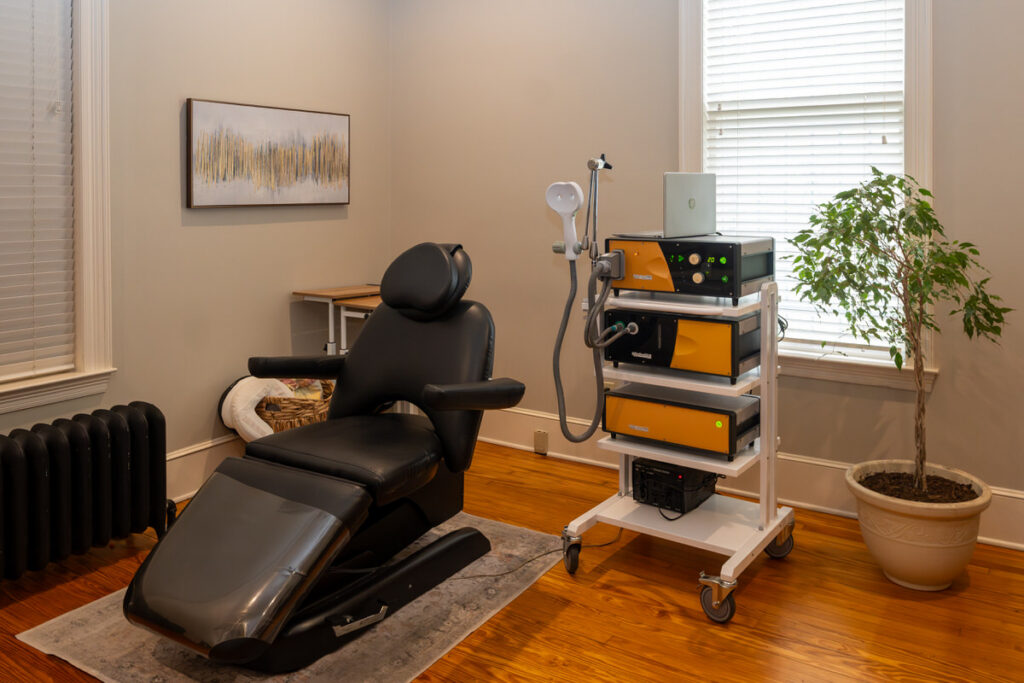
Transcranial magnetic stimulation (TMS) is a non-invasive stimulation therapy that can reduce chronic pain and nerve sensitivity by resetting overactive pain pathways in the brain. The coil may also be placed directly on the low back or leg to reset the nerves and muscles to reduce pain for chronic low back pain and sciatica to help with healing and pain control. 

DSC_5874
Mature,Senior,Lady,Feeling,Muscles,Pain,Attack,,Holding,Back,,Having

Am I Experiencing Chronic Pain?

Diagnosing chronic pain requires a comprehensive medical evaluation that includes a detailed health history, a physical examination, and standardized pain scales. Because there is no single test for chronic pain, doctors focus on identifying pain lasting three months or longer and assessing how it impacts daily function.

How TMS Works

TMS is sedation-free and drug-free. You are comfortably reclining in an adjustable chair for about 15-20 minutes. The magnetic pulses feel like a ‘tapping sensation’ on the head or targeted area, and are easy to tolerate. With our customized protocols, you may see results in as little as 10 days.  At Integrative Neuroscience, more than 9 out of 10 of our clients respond to TMS treatment with lessening pain symptoms.


DSC_5958
Senior,Woman,Wearing,Sportswear,Is,Enjoying,A,Sunny,Autumn,Day

Conditions Where TMS May Help with Brain Fog

  • If you prefer a non-drug approach to managing your mental and cognitive health.

  • If you are not responding to drug therapy or having side effects.

  • If you have exhausted your treatment options

What to Expect

  • Sessions: Varies depending on cause and duration of brain fog.  Treatment is personalized to you.
  • Duration: Each session lasts about 30–40 minutes.
  • Experience: Comfortably sitting in chair, wood-pecker tapping sensation on top of head.  You have control over intensity of treatment.
  • Outcomes: Gradual improvement in concentration, memory, and mental clarity, often alongside mood benefits

Evidence

A systematic review found high-frequency TMS to the prefrontal cortex improved cognitive accuracy and executive function, suggesting benefits beyond mood regulation. Case studies and clinical reports note better focus, faster processing, and reduced mental fatigue in patients with brain fog after TMS

Considerations

  • TMS is most effective when addressing the underlying cause of brain fog.
  • It’s not a direct “brain fog fix” but a tool to restore brain function.
  • Results vary; some people see significant improvement, others may need combined therapies.

Bottom Line

If your chronic pain is linked to depression, chronic illness, or other treatable conditions, TMS may help restore cognitive clarity by stimulating key brain regions and promoting neuroplasticity. Always consult a qualified provider to determine if it’s right for your situation.

Set Up A Free Consultation Take Our 2-Minute Quiz